Numbers in, picture out
A nonogram is embroidery worked out with arithmetic: the row knows its runs, the column knows its runs, and the figure hides where the two agree.

Puzzle · Losenvo
Numbers in, picture out
Fill the grid from the edge numbers and a picture turns up. Sudoku lives here.
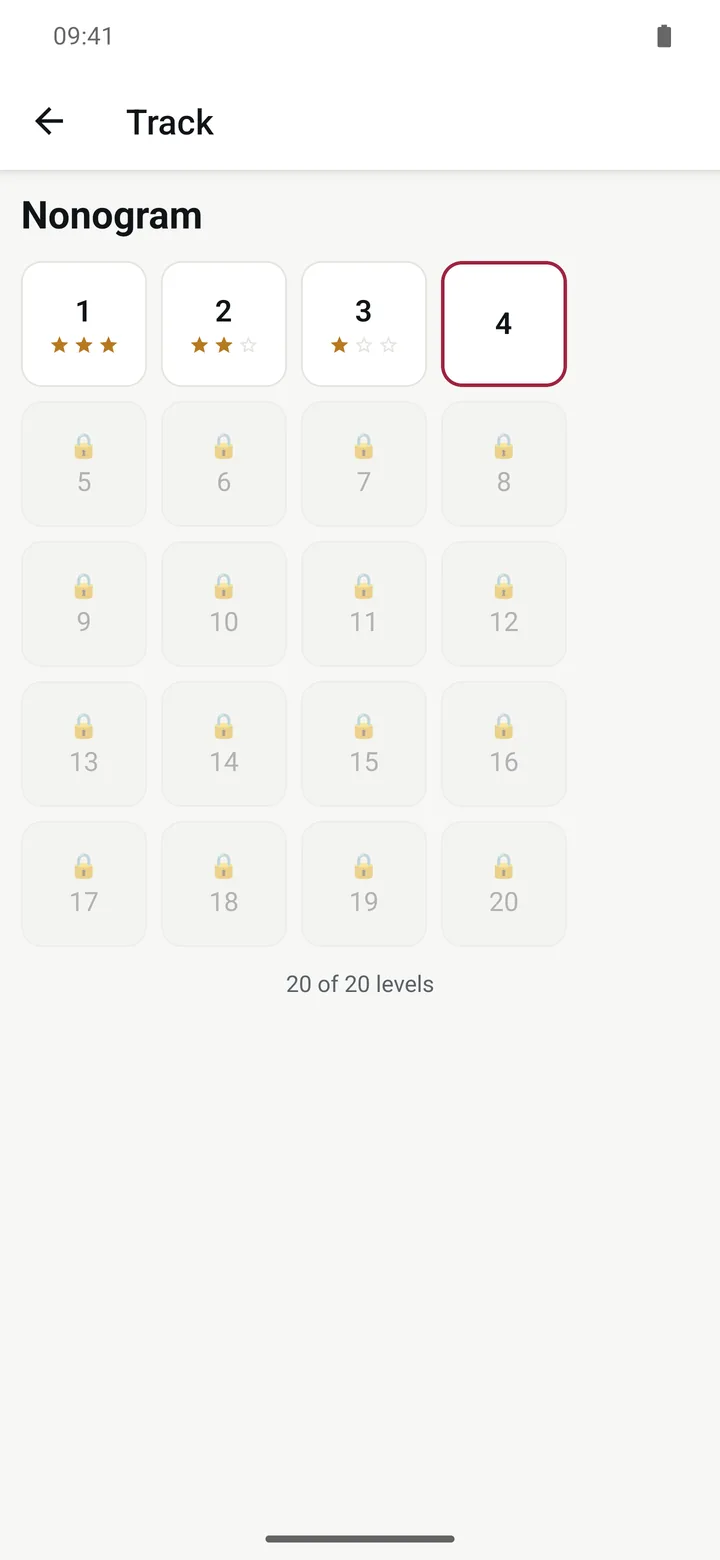
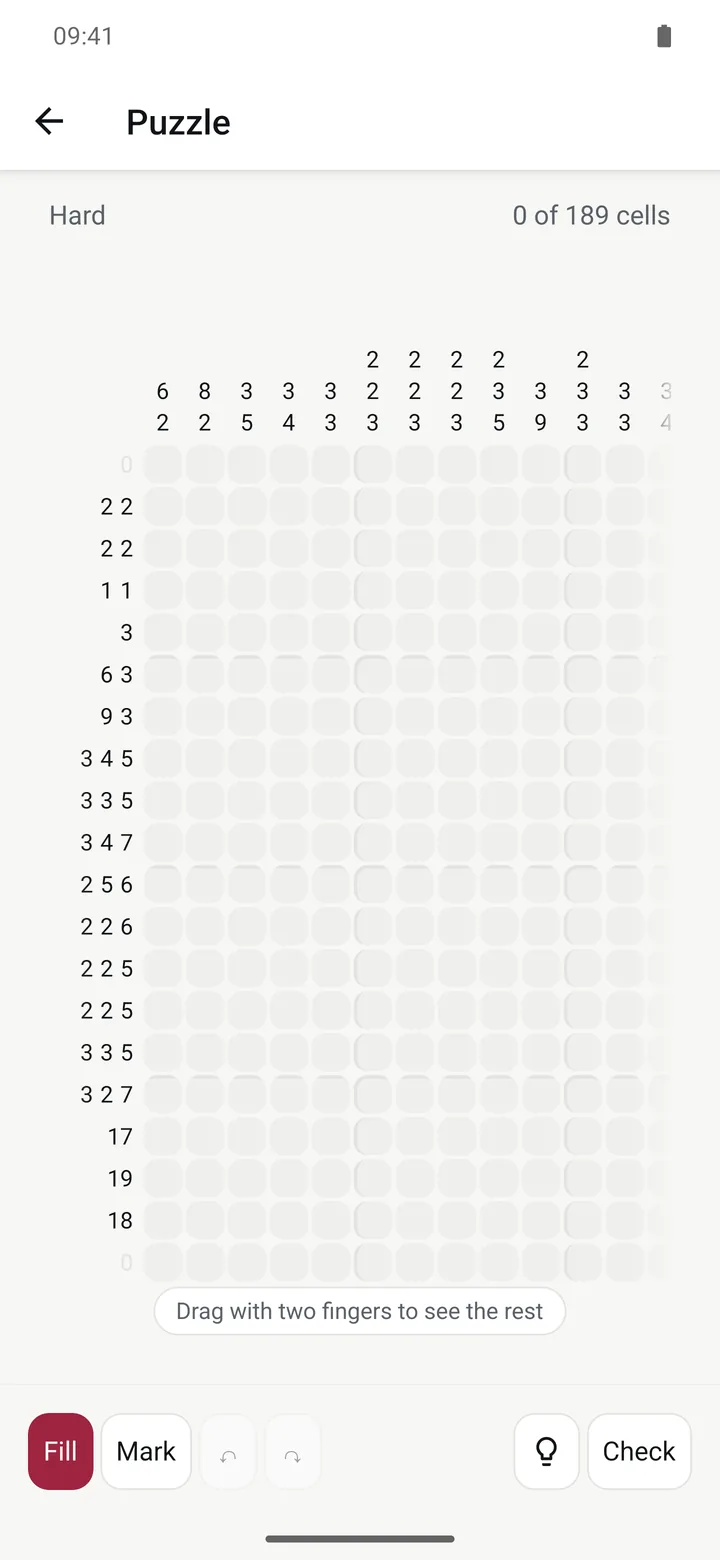
A nonogram is embroidery worked out with arithmetic: the row knows its runs, the column knows its runs, and the figure hides where the two agree.
An "expert" grid is expert because a solver had to reach for expert techniques to close it, not because the grid is wide.
Every published nonogram has a single solution, reachable by logic. Anything that would come down to a guess is thrown out before it reaches you.
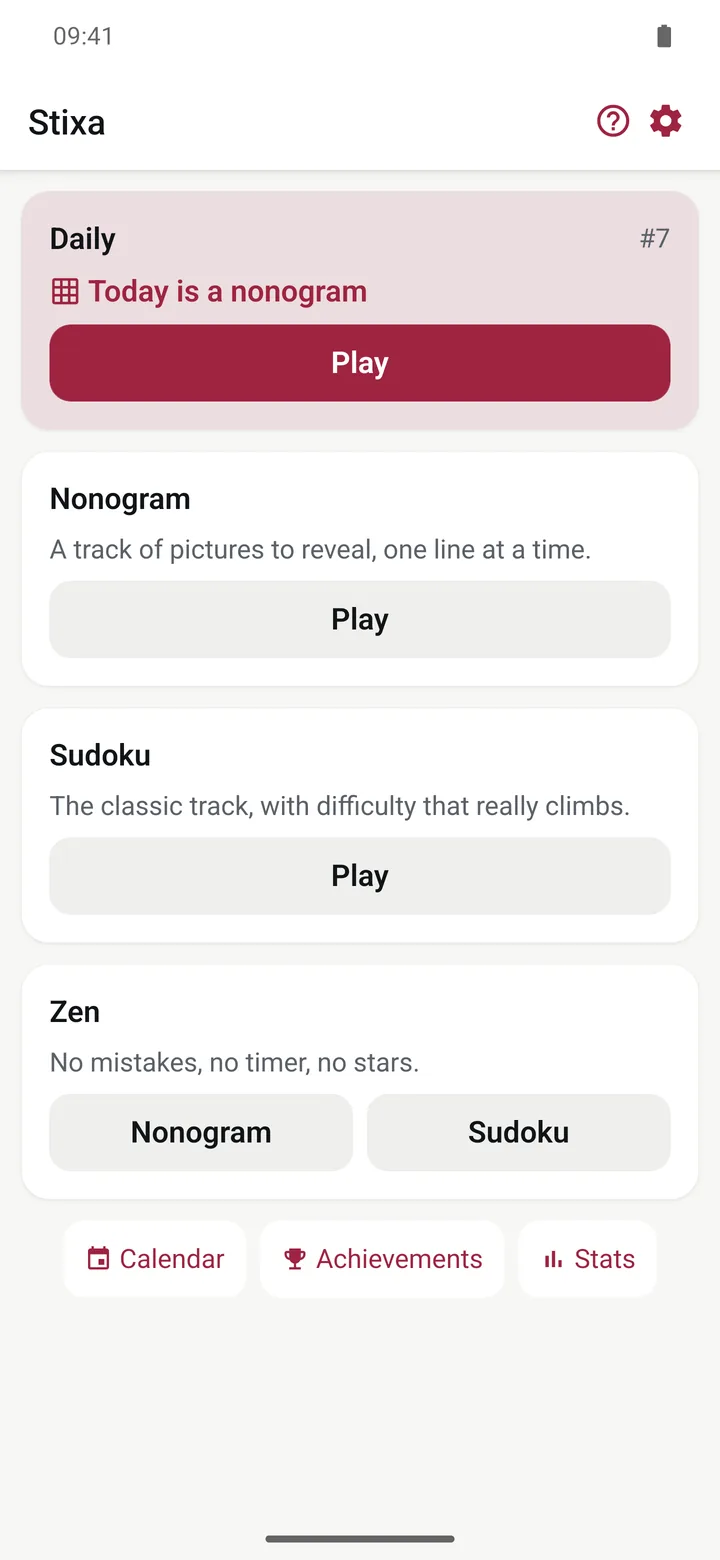
Nonogram today, sudoku tomorrow, and everybody opens the same puzzle. A calendar fills in behind you, a streak counts the days, and the achievements cover both.
Pointing at the mistake costs nothing and is not a hint you buy. Undo and redo reach as far back as you need, in either game.
Grids are generated and verified one by one instead of shipped as a finished pile, which is why there is no screen telling you that you have completed the game.
A picture has to be recognizable at the size you play it. When a cell would be too small for a fingertip, the grid zooms and pans instead of shrinking.
The calendar, the streak and your solved grids are files on your phone. The internet shows up for ads, the purchase, and anonymous usage and crash statistics.
Paying once removes the banner and the full-screen ads for good, and the purchase can be restored later on another phone.
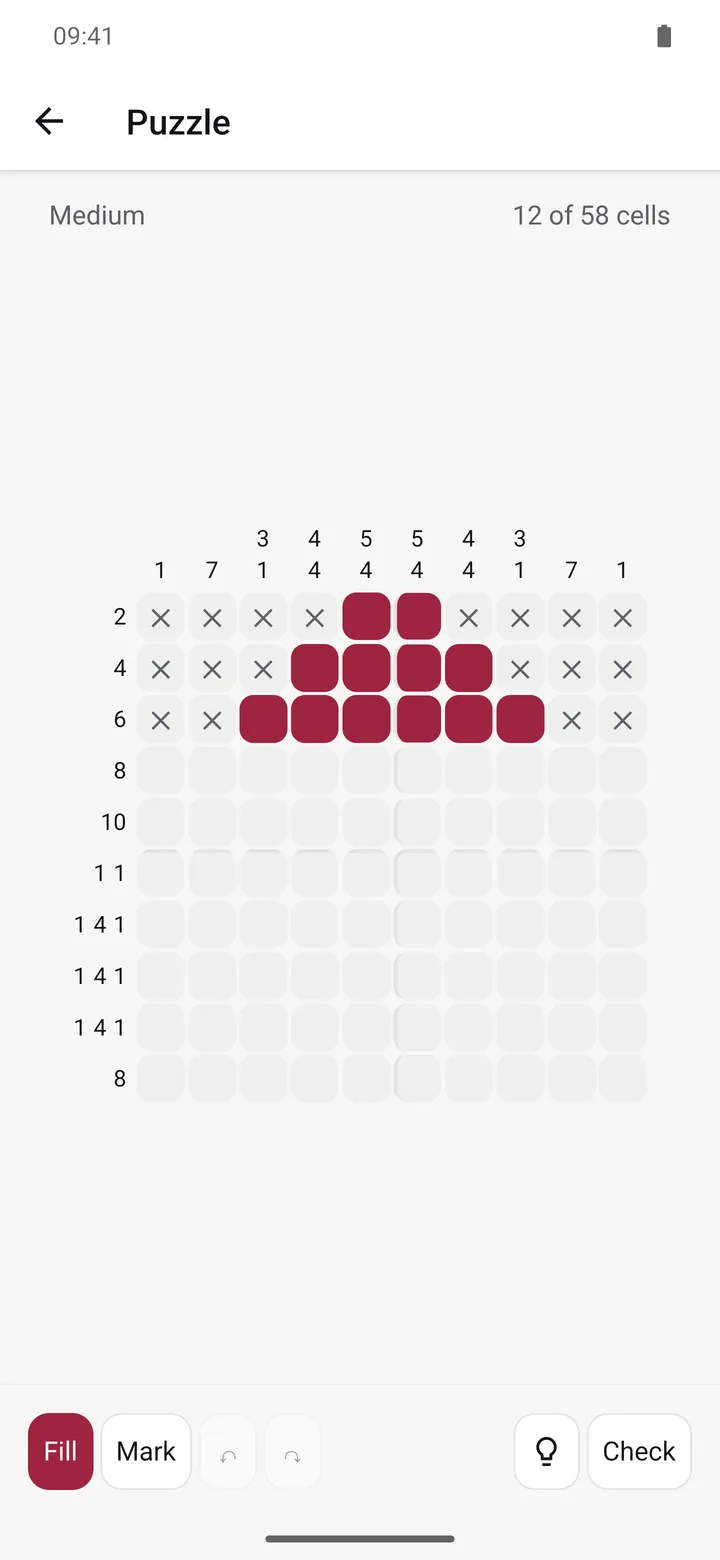
The numbers on the edges say how many cells in a row to paint, in each line and column.
Tap to paint, long-press to mark what is empty, drag to paint a whole line.
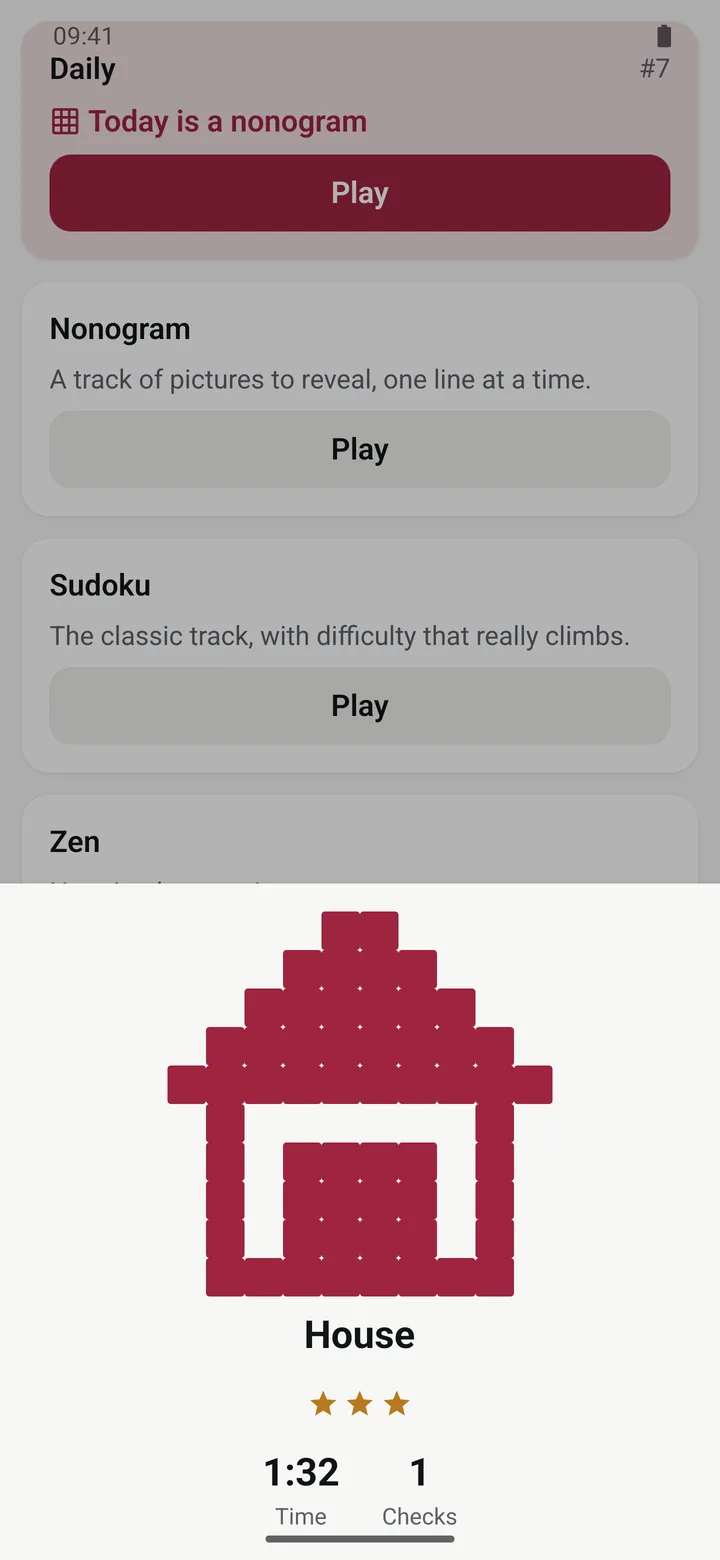
When the grid closes, the picture is revealed — and only then does it get a name.
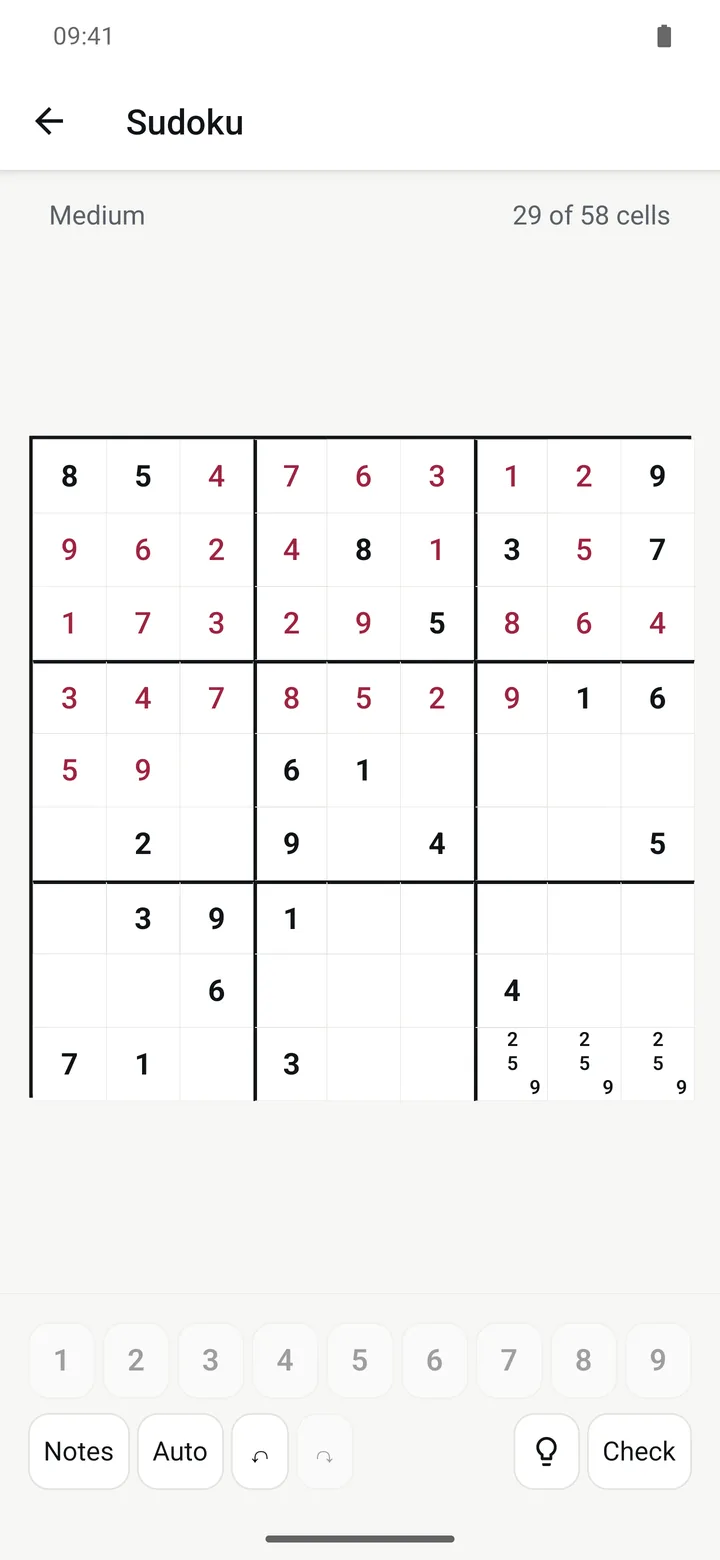
In the sudoku, the same calm: notes by hand or filled in, free checking, and unlimited undo.
Yes. The grids, the calendar, the streak and the achievements are files on the phone. When there is a connection, the app also loads ads, the purchase, and anonymous usage and crash statistics.
Stixa has no sign-in screen: no account, no e-mail, no password. Your progress is saved only on the phone; what leaves it are anonymous usage statistics, such as which match ended and how long it took, with no name or e-mail.
No. Every nonogram goes through a solver that does not guess; if it cannot close the grid by deduction, that puzzle is discarded before release.
It means the solver needed expert techniques to close the grid. The label measures the deduction required, not the size of the board.
They do not: each grid is generated and verified one at a time before it enters your track, and the grid of the day never repeats.
Yes. When a cell would be too small for a fingertip, the board zooms and pans instead of shrinking.
It is a single payment, with no renewal, that takes away the banner and the full-screen ads. It can be restored later on another phone with the same store account.
No account, no collection of what you do in the app. What the third-party SDKs collect is described in the policy.